
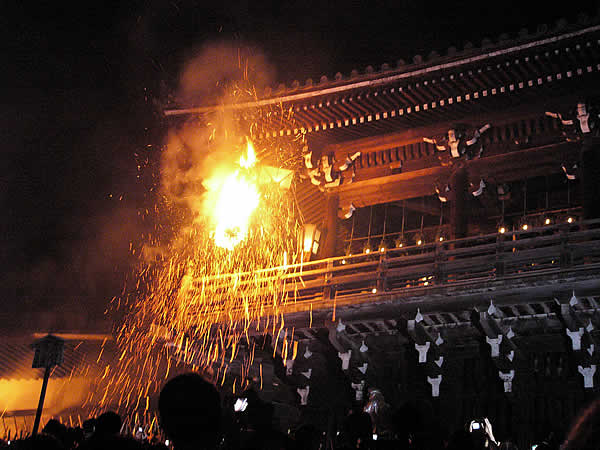


Shuni-e / Omizutori at Todaiji (Nara prefecture) 二月堂 お水取り にがつどう おみずとり
The Shuni-e festival, popularly known as Omizutori, is one of the oldest and most spiritual events in Japan. Held at the Nigatsu-do Hall of Todaiji Temple in Nara, this ritual has continued without interruption for over 1,250 years. While the base article highlights the fire and water ceremonies, there is much more to experience during this two-week event. Understanding the activities available and how Shuni-e compares to other festivals across Japan can help you appreciate the deep cultural roots of the region.
Activities and Experiences at Shuni-e
When you visit Nara in the first half of March, the Shuni-e festival offers a variety of unique activities. The most famous is watching the Otaimatsu, the fire ceremony. Every night from March 1st to the 14th, giant pine torches are carried up to the balcony of Nigatsu-do. To get the best view, you should arrive at the temple grounds at least an hour before sunset. On the peak night of March 12th, the torches are much larger and the crowds are very dense, so plan for a long wait. Standing under the balcony to catch a falling spark is a highlight for many, as it is a traditional way to receive a blessing for health.
Aside from the fire, you can participate in the gathering of the sacred water. While the main ceremony occurs in the early hours of March 13th, the temple often provides the “Oshinzui” (holy water) to the public later in the day. Bringing a small bottle to collect this water is a common practice among locals who believe in its healing powers.
During the daytime, you can explore the interior of the Nigatsu-do Hall. Although the inner sanctum where the monks pray is restricted, the outer veranda offers one of the best views of Nara City. It is a peaceful place to reflect on the history of the temple. You can also visit the nearby Todaiji Museum to see artifacts related to the festival’s long history, including ancient masks and ritual tools used by the monks.
Similar Festivals Around Japan
Shuni-e is part of a larger tradition of “fire and water” rituals in Japan. If you find the atmosphere of Omizutori exciting, there are several other festivals that share similar themes of purification and renewal.
1. Omizu-okuri (Fukui Prefecture)
Located in Obama City, this festival is the direct counterpart to Nara’s Omizutori. Held on March 2nd, it is known as the “Water Sending” ceremony. According to legend, the water drawn at Todaiji travels through an underground golden vein from the Onyu River in Fukui. During Omizu-okuri, priests pour sacred water into the river while participants carry torches in a long procession. Visiting both festivals provides a complete picture of this ancient religious connection.
2. The Nachi Fire Festival (Wakayama Prefecture)
If you enjoy the sight of giant torches, the Nachi No Hi Matsuri is a must-see. Held in July at the Kumano Nachi Taisha Shrine, this festival features twelve massive torches that represent the twelve months of the year. Much like the monks at Nigatsu-do, the participants carry these heavy, flaming torches up and down the stone steps of the mountain to purify the path for the portable shrines. It shares the same elemental energy and focus on spiritual cleansing found in Nara.
3. Kurama Fire Festival (Kyoto Prefecture)
For those who prefer a more urban but still ancient setting, the Kurama Fire Festival in Kyoto is held every October. It commemorates the movement of a deity to the village of Kurama. Hundreds of people carry torches of varying sizes through the streets, eventually gathering at the gates of the Yuki Jinja Shrine. Like Shuni-e, the air becomes thick with smoke and the orange glow of fire, creating a mystical atmosphere that feels like stepping back in time.
4. Dano-no-Hi-matsuri (Kyoto Prefecture)
In the rural village of Hirogawara, a unique fire festival takes place in August. Participants throw flaming torches into the air to light a giant “torch tree” at the top of a hill. While the scale is smaller than Todaiji, the community spirit and the focus on using fire to drive away bad luck are very similar to the “sparks of luck” found at Omizutori.
Things to Do Nearby in Nara
While attending Shuni-e, you can enhance your trip by exploring the surrounding Nara Park. Since the festival takes place in early March, the plum blossoms are often in bloom near the Kasuga Taisha Shrine, which is a short walk from Todaiji. Feeding the famous Nara deer is a year-round activity, but during the cold March evenings, the deer often gather near the temple lights, adding to the magical scenery.
You can also visit the Naramachi district, the old merchant quarter. Many shops here sell “Migawari-zaru” (substitution monkeys), which are red cloth charms meant to protect the home from evil, much like the Shuni-e sparks. Eating a warm bowl of “Miwa Somen” (thin noodles) is a local favorite during the chilly festival season.
Conclusion
The Shuni-e festival at Todaiji is more than just a visual spectacle; it is a living piece of Japanese history. By watching the Otaimatsu, seeking the sacred water, and perhaps visiting related festivals like Omizu-okuri, you gain a deeper understanding of Japan’s spiritual landscape. Whether you are catching sparks for luck or drinking holy water for health, the traditions of the “second month” offer a powerful way to welcome the coming of spring.
References
In English
https://www.visitnara.jp/venues/E02017/
https://matcha-jp.com/en/3897
In Japanese
http://www.todaiji.or.jp/contents/function/02-03syunie3.html
https://ja.wikipedia.org/wiki/修二会
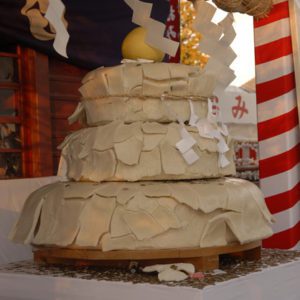
Photo thanks to GomuraFuji @ Japanese Wikipedia.org.
Related Events
Powered by Modern Events Calendar

![Exoteric Japan, After Dark, [God also roars] Dangling Goods Vibe for Women - Squirting Female Dildo Sex Toy for Women](https://exotericjapan.com/wp-content/uploads/2025/10/God-also-roars-Dangling-Goods-Vibe-for-Women-Squirting-Female-Dildo-Sex-Toy-for-Women-300x400.jpg)


